
In today’s society, it’s hard to ignore the prevalent trend of narcissism permeating various aspects of our lives. From social media feeds flooded with self-promotion to the glamorization of fame and wealth, it seems like everyone is striving to be the center of attention. But what’s fueling this obsession with self-importance? And why does it appear that more and more people are exhibiting traits of narcissistic personality disorder?
One factor contributing to the rise of narcissism is the pervasive influence of social media. Platforms like Instagram, Facebook, and Twitter provide the perfect stage for individuals to showcase their lives and accomplishments to a wide audience. Likes, comments, and followers become measures of validation, fostering a culture where self-worth is tied to online approval. As a result, people feel pressured to constantly curate their image, leading to an exaggerated sense of self-importance and entitlement.
Moreover, the modern obsession with success and achievement has led to a culture that rewards narcissistic behavior. In a society where success is often equated with material wealth and status, individuals are incentivized to prioritize their own interests above all else. This emphasis on individualism can foster narcissistic tendencies, as people become more focused on advancing their own agendas rather than considering the needs of others.
Additionally, the normalization of personality disorders in popular culture has contributed to the perception that everyone has some form of mental illness. Television shows, movies, and social media influencers often romanticize conditions like narcissistic personality disorder, portraying them as desirable traits rather than serious psychological issues. This normalization can trivialize the experiences of those genuinely struggling with mental health disorders, leading to a lack of empathy and understanding.
Furthermore, the trend of blaming childhood traumas for adult behavior has become increasingly common in contemporary discourse. While it’s true that early life experiences can have a profound impact on personality development, using past trauma as a blanket excuse for destructive behavior can undermine personal responsibility. Instead of holding individuals accountable for their actions, society often enables them by perpetuating the narrative that they are victims of circumstances beyond their control.
In conclusion, the rise of narcissism and the normalization of personality disorders reflect broader societal trends that prioritize individualism and self-promotion. Social media, the glorification of success, and the normalization of mental illness all contribute to a culture where personal responsibility is often overlooked in favor of self-gratification. It’s essential to recognize the dangers of this mindset and strive to foster a culture of accountability and empathy in which everyone is held responsible for their actions, regardless of their past experiences.
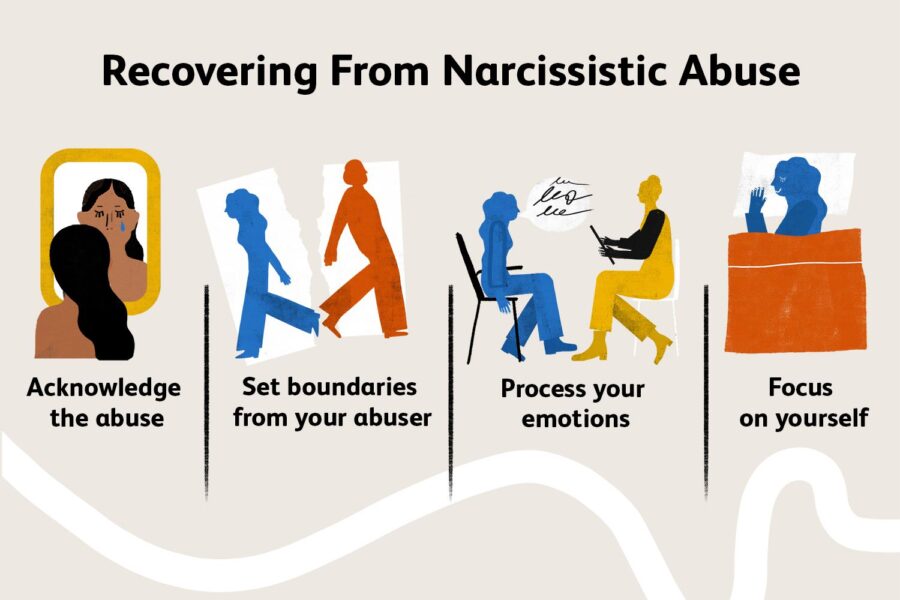
Promoting self-awareness and emotional intelligence can empower individuals to take responsibility for their behavior and its consequences. Additionally, establishing clear boundaries and consequences for harmful actions can serve as a deterrent and encourage accountability. Lastly, prioritizing mental health support and therapy can aid in addressing underlying traumas and promoting healing, thus breaking the cycle of destructive behaviors. Ultimately, by collectively addressing the root causes of narcissism and holding individuals accountable for their actions, we can strive towards a healthier and more empathetic society.
