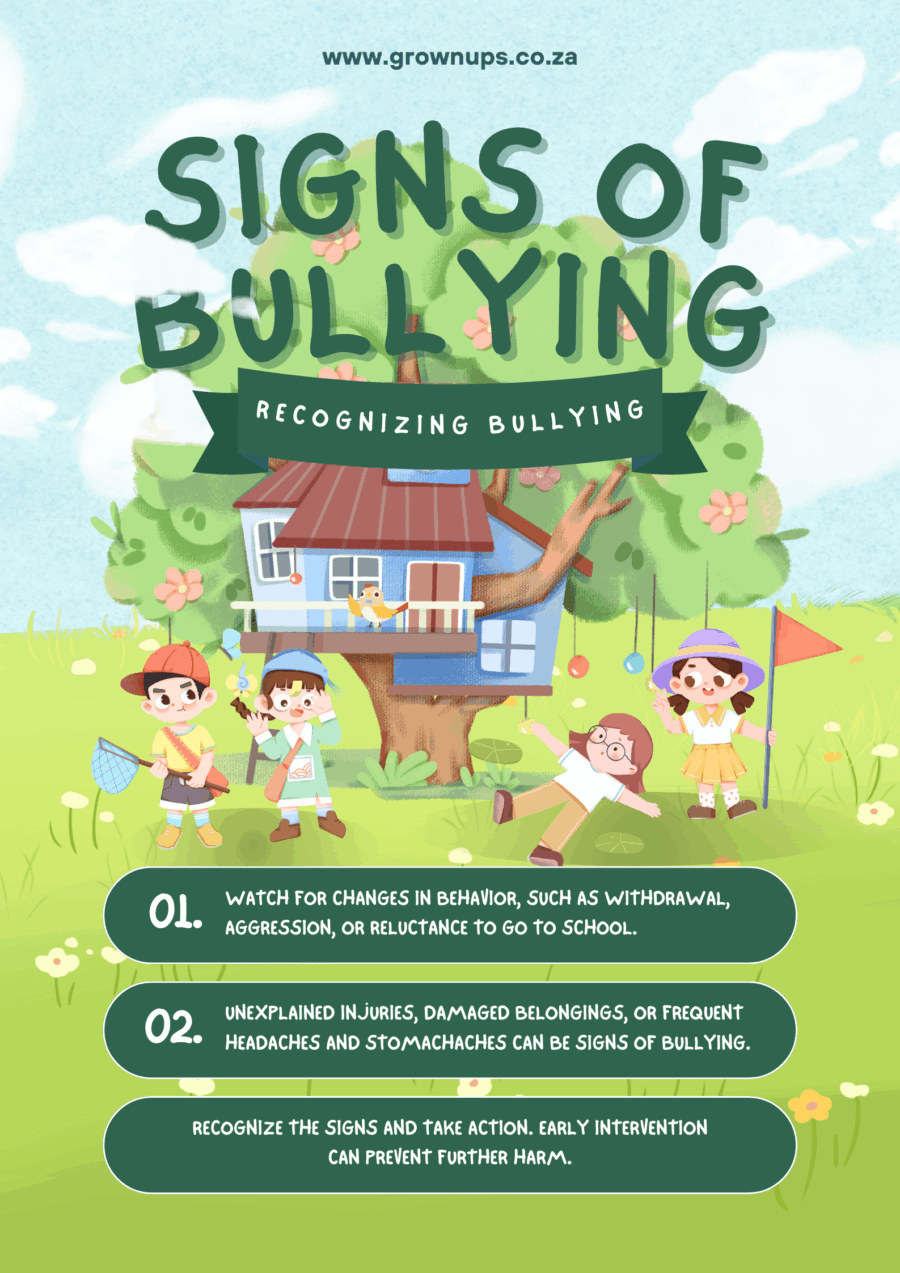
Bullying is not simply about one child picking on another—it is a systematic abuse of power. An imbalance of power occurs when one individual or group repeatedly exerts dominance over another, making the victim feel powerless. When this happens in schools, particularly to children around the age of 10, it has profound effects on their emotional well-being, academic performance, and social development.
Bullying behavior is often learned at home, stemming from domestic violence, neglect, or abuse. A child who sees power being misused in their home environment is more likely to replicate this behavior in school. The effects of such bullying reach beyond the individuals involved and can disrupt the entire school environment, particularly when school leadership fails to act out of fear of retaliation from a bully’s parents.
When Schools Fear the Bully’s Parents
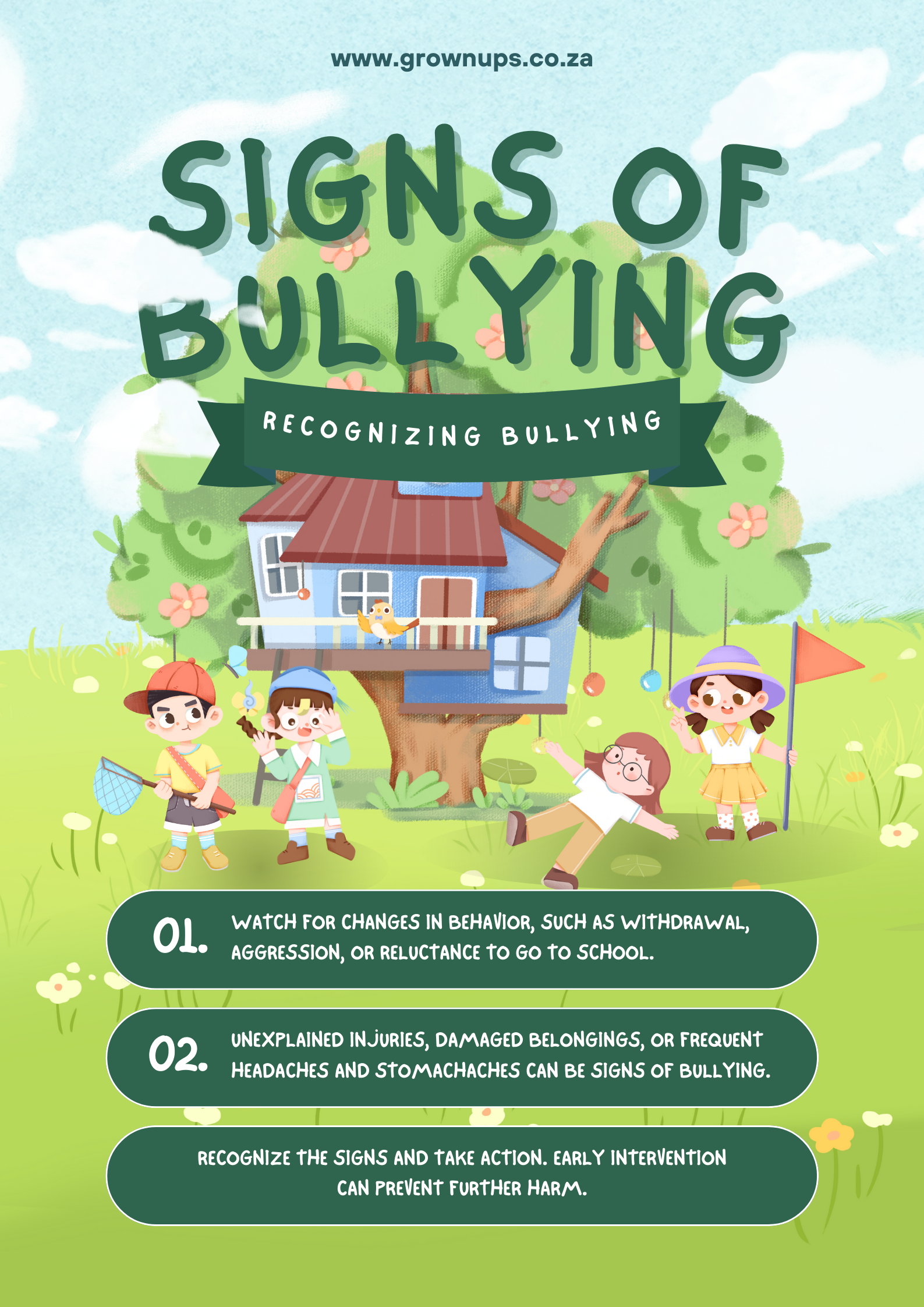 In many cases, school administrators hesitate to take action against bullying because they fear backlash from aggressive, influential, or even litigious parents. This reluctance can embolden the bully, reinforcing the idea that their behavior is acceptable and without consequences. When a headmaster tolerates bullying, the message sent to students, teachers, and parents is clear: power and intimidation win over fairness and justice.
The consequences of unchecked bullying include:
Increased anxiety and depression among victims
Lower academic performance due to stress and fear
Disrupted classrooms and school-wide tension
Long-term psychological effects, including PTSD
Schools must recognize that by ignoring the problem, they are not only failing the victims but also enabling a culture of power abuse that can persist into adulthood.
Legal Implications of Misusing Power
Bullying is not just a disciplinary issue; it has legal consequences. Many forms of bullying—such as cyberbullying, harassment, and physical assault—can lead to criminal charges. Hate-based bullying that targets race, gender, religion, disability, or sexual orientation can even be classified as a hate crime, with severe legal ramifications.
Parents and school administrators must understand that allowing or ignoring bullying can expose schools to lawsuits for negligence. If a school fails to take appropriate action, it may be held legally responsible for harm suffered by the victim. It is crucial to educate both bullies and their parents about these potential legal consequences to drive home the seriousness of their actions.
The Role of Buddy Systems in Addressing Power Imbalances
One effective way to counteract bullying is through the implementation of a buddy system. A buddy system pairs students together to provide support, companionship, and a sense of security. This system can help level the power dynamics within schools by fostering friendships, inclusivity, and mutual accountability.
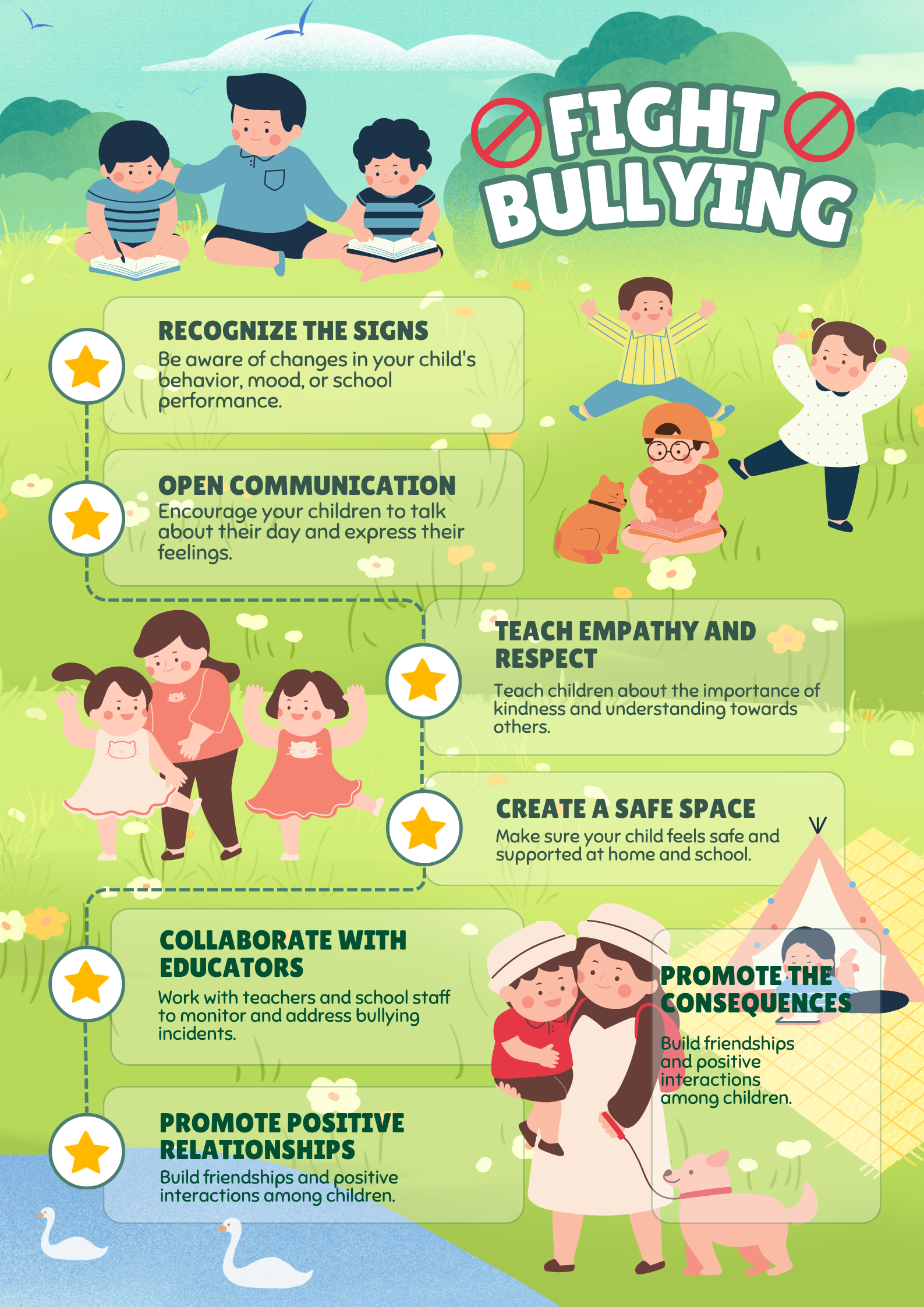 Benefits of a Buddy System:
- Reduces Bullying: Victims are less isolated when they have a peer for support.
- Enhances Mental Health: Buddies provide emotional support, reducing stress and anxiety.
- Encourages Socialization: Students develop friendships outside their usual social circles.
- Promotes Responsibility: Older or more capable students can help younger ones navigate school life.
What Can Be Done If Schools Don’t Take Bullying Seriously?
If a school is not addressing bullying effectively, parents and students must take action:
- Document Everything: Keep records of incidents, including dates, times, and witnesses.
- Escalate the Issue: Speak with teachers, counselors, and principals. If they do not respond, escalate the issue to the school board or local education authorities.
- Use Legal Channels: If bullying involves threats, physical harm, or discrimination, legal action may be necessary.
- Encourage Systemic Change: Advocate for school-wide programs, such as buddy systems and anti-bullying policies, to create a safer environment for all students.
Final Thoughts
Bullying and power imbalances are not just childhood issues—they shape the future of society. Schools must address bullying proactively, ensuring that fear of parental retaliation does not override their responsibility to protect students. Implementing measures such as buddy systems, strong anti-bullying policies, and legal education for both parents and students can create a culture where power is used for good, not harm.
By fostering accountability and promoting a balanced, inclusive environment, we can help children understand that true strength lies in kindness, fairness, and respect. Schools, parents, and communities must work together to make bullying a thing of the past.